South of Lane Upper Arlington Homes and Neighborhood Feel
June 25, 2026
June 25, 2026
If you want a neighborhood that feels established the moment you turn onto the street, South of Lane tends to stand out. This part of Upper Arlington is known for classic architecture, mature trees, and a close-in location that still feels residential and calm. If you are wondering what it is actually like to live here, this guide will help you understand the homes, setting, and everyday lifestyle that shape the area. Let’s dive in.
In everyday real estate terms, South of Lane usually refers to Upper Arlington’s older core south of West Lane Avenue. Part of this area was designated as the Upper Arlington Historic District in 1985, and the district is recognized for high-quality Twentieth Century American Colonial and English Revival homes.
That historic identity helps explain why the neighborhood feels so consistent and classic. You are not looking at a newer subdivision trying to copy traditional design. You are looking at an area shaped by Upper Arlington’s early growth and planning.
Upper Arlington began with the original 840-acre Miller farm tract purchased in 1913. The early community was planned to be close to downtown Columbus and accessible by streetcar, which gave the area a more connected, close-in pattern from the beginning.
That matters today because South of Lane still feels like an established residential district rather than an outer-ring suburb. Upper Arlington itself is just under 10 square miles with about 36,000 residents, so the setting feels compact and rooted instead of sprawling.
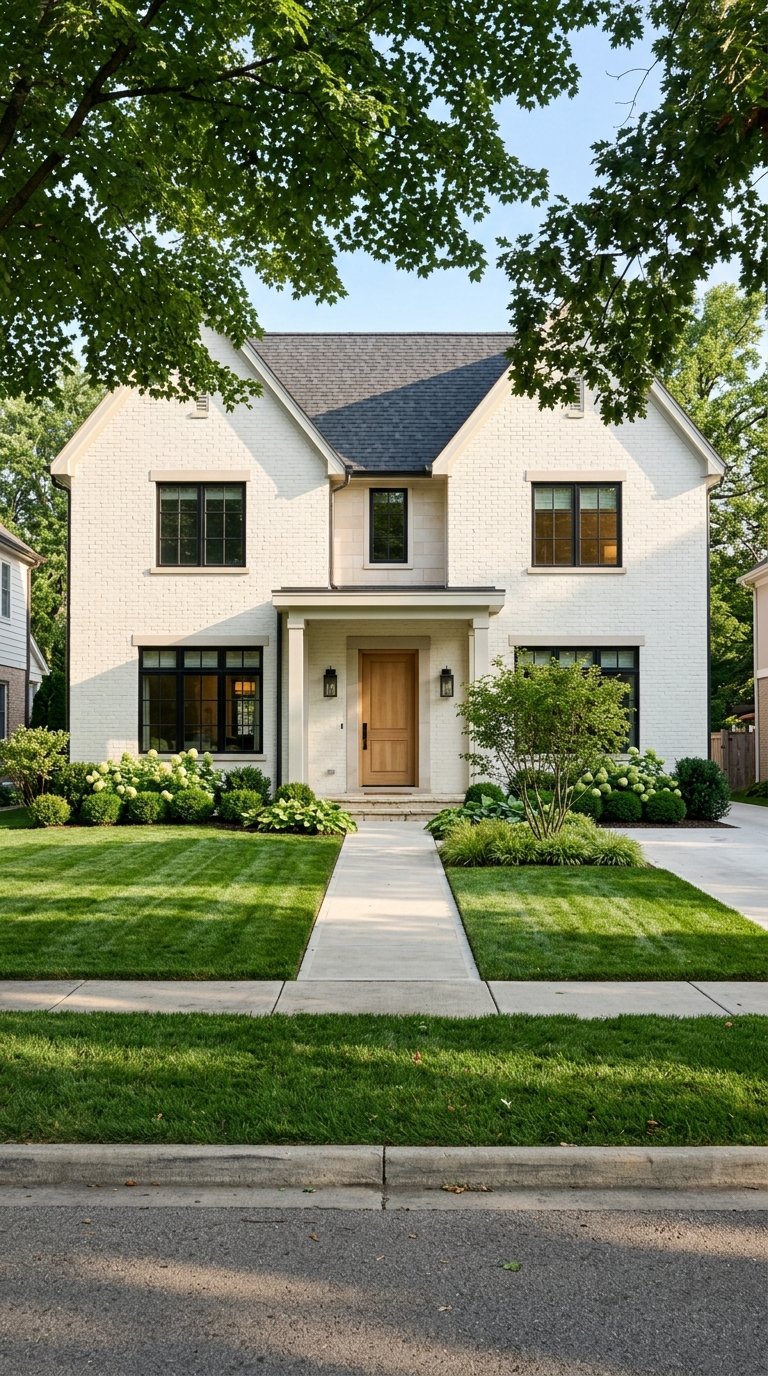
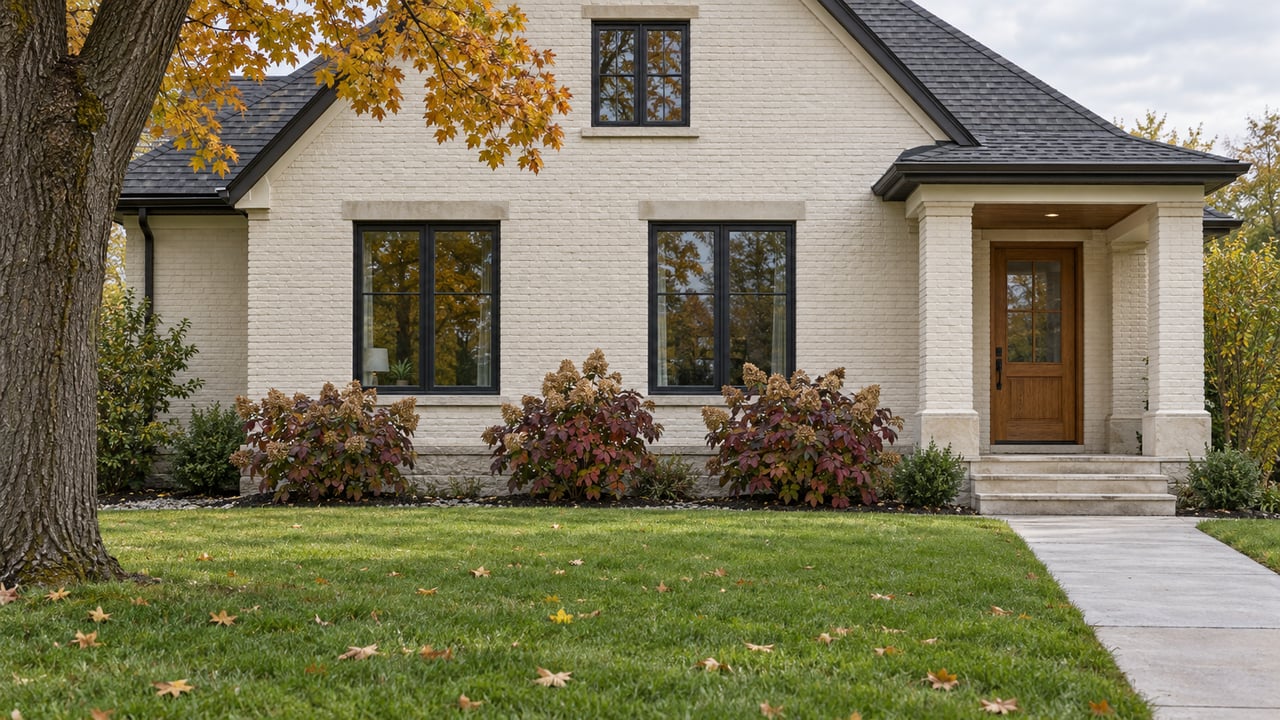
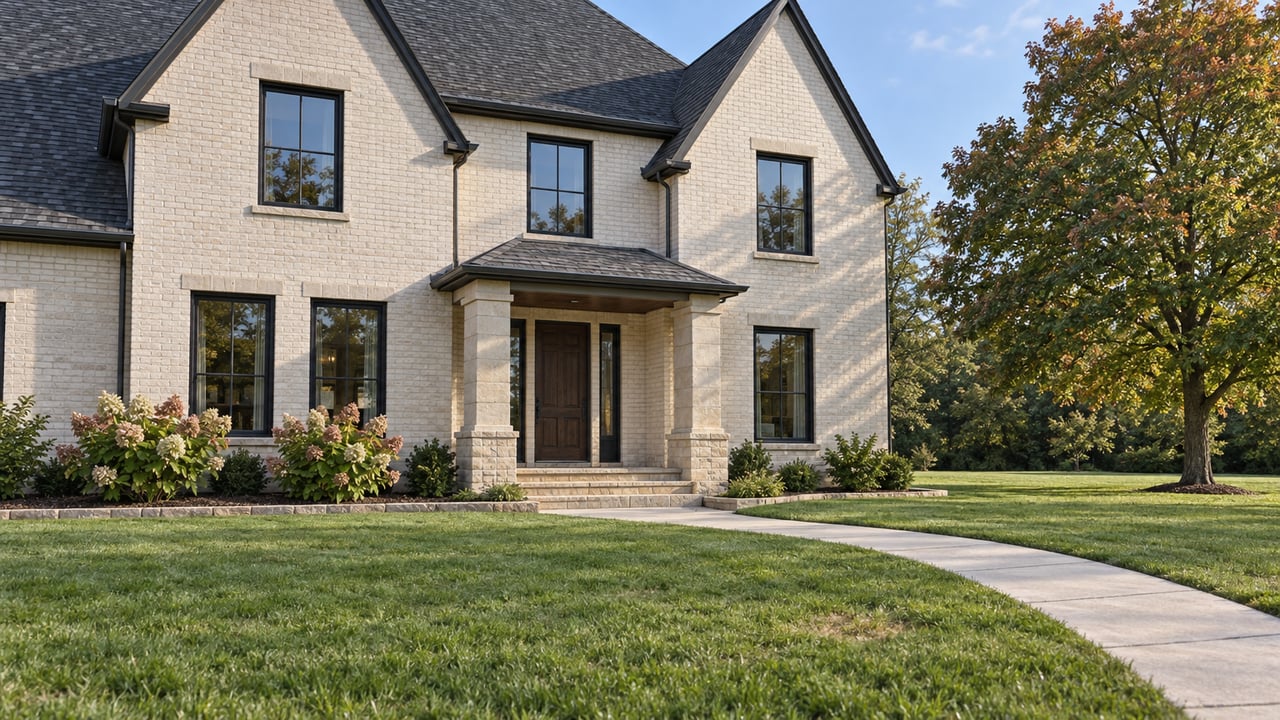
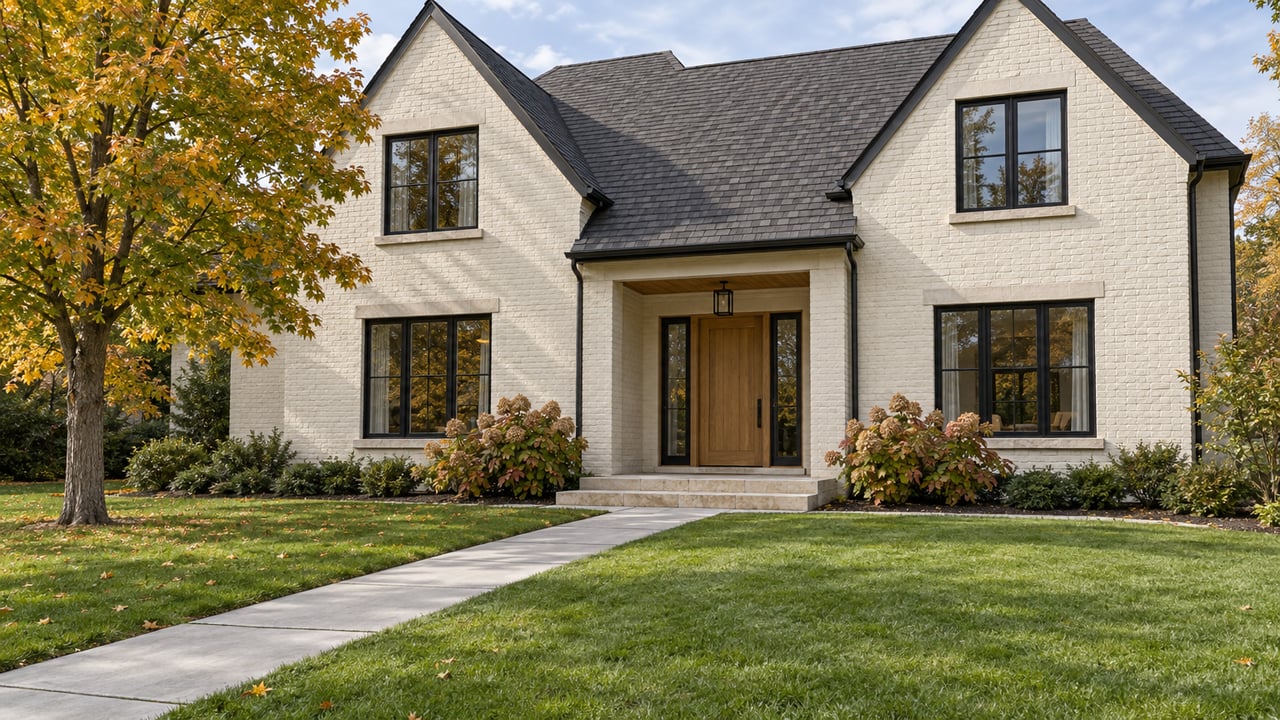
One of the biggest draws of South of Lane is the housing stock. The historic district is nationally recognized for Twentieth Century Revival architecture, and the variety is part of the appeal.
You will see styles documented by the Upper Arlington Historical Society such as:
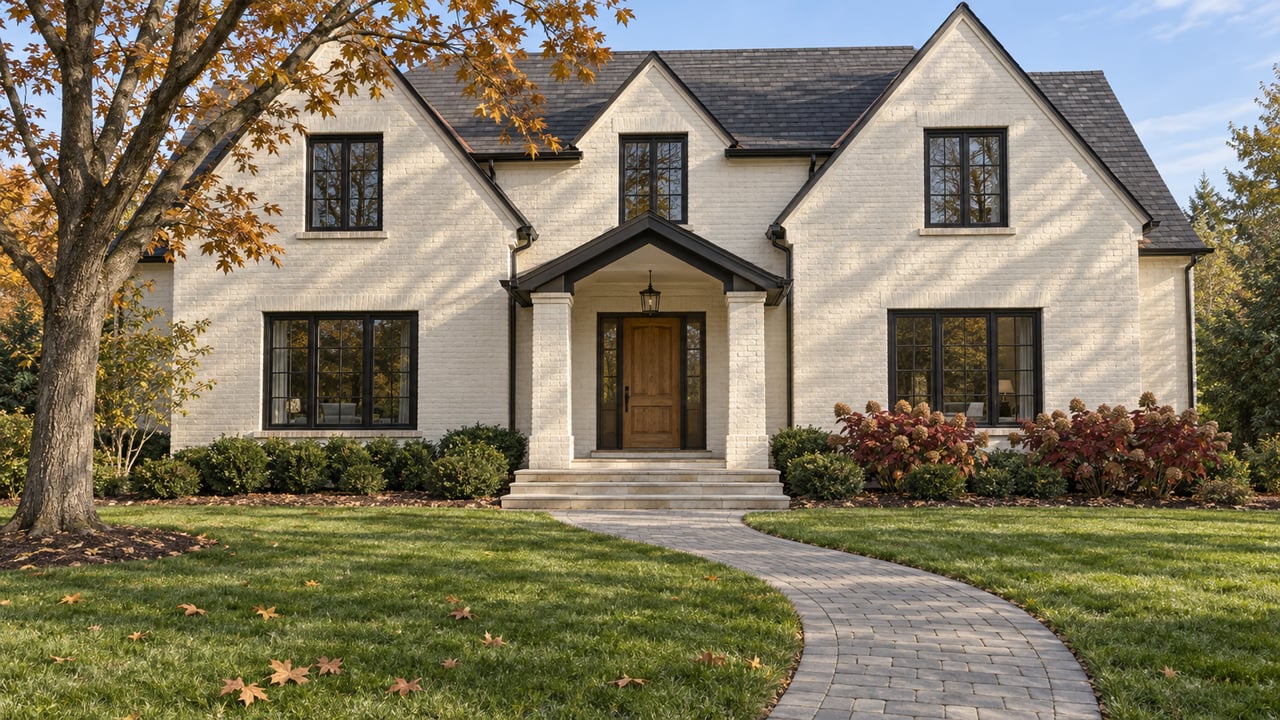
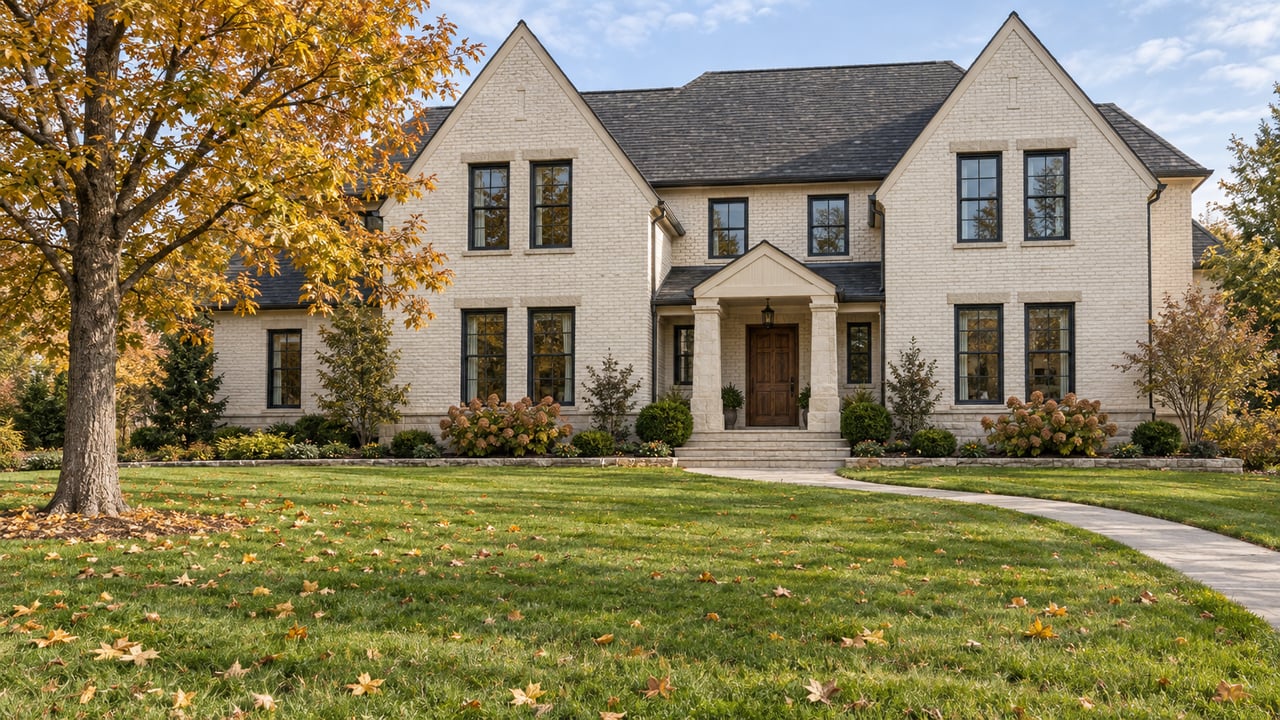
The city’s design standards also describe many homes in the historic district as 1900s to 1940s properties that are often two to two-and-a-half stories with Tudor or other Revival styling and brick or stone exteriors.
An important detail is that the area’s “old home” charm is tied to early 20th-century development. In other words, many homes that feel historic today would have been new construction around 1925. That gives South of Lane a classic identity without making it feel frozen in a much earlier era.
The homes are a major part of the appeal, but the streetscape is just as important. Upper Arlington identifies building style, building location, exterior materials, lot size and shape, and the amount of greenspace as key factors that define neighborhood character.
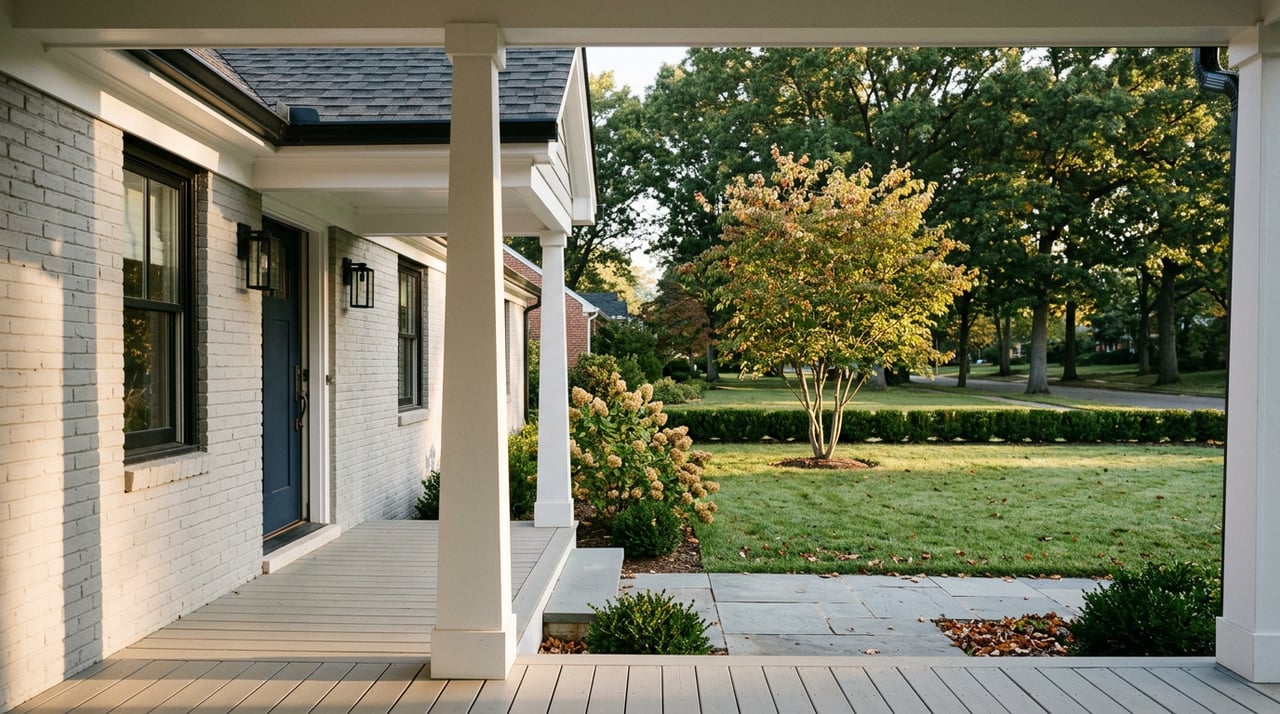
That shows up in the everyday look and feel of South of Lane. Early development patterns included open green spaces, maintained parks, and generous setbacks that created larger front and corner lawns. The result is a neighborhood that often feels leafy, open, and visually calm.
You should also expect variation from one street to the next. South of Lane is cohesive, but it is not cookie-cutter.
Even with architectural variety, South of Lane tends to hold together visually. Part of that comes from Upper Arlington’s residential design standards, which review new homes and major additions for compatibility.
That review process considers details such as height, roof pitch, setbacks, and garage placement. For buyers, that can be a meaningful advantage if you value neighborhood consistency and want to preserve the overall streetscape character.
South of Lane is not just about houses. It is also supported by a strong parks and forestry system that shapes the feel of daily life.
Upper Arlington maintains 23 parkettes across roughly 186 acres, along with an extensive street-tree inventory of about 18,000 trees. Those tree-lined streets are a real part of the experience here, not just a marketing phrase.
Several nearby parks help define the lifestyle:
If you want a neighborhood where parks and green space are built into the rhythm of everyday life, this part of Upper Arlington offers that.
A classic neighborhood can lose some appeal if it feels isolated. South of Lane avoids that issue because it sits near major Upper Arlington shopping, dining, and service areas.
The city describes the Lane Avenue District as Upper Arlington’s most prominent entryway and a vibrant retail, restaurant, and professional-services corridor. Kingsdale adds another layer of convenience with medical, office, and retail options in a central location.
The Bob Crane Community Center in Kingsdale is also a notable amenity. It includes an indoor pool, walking and running track, café, fitness studios, and Ohio State Wexner Medical Center services.
This convenience is not new. Upper Arlington’s retail history shows that neighborhood shopping has long been part of the community pattern, from the Mallway to the Lane Avenue Shopping Center in 1949 and Tremont Center in 1951.
One of the strongest practical advantages of South of Lane is location. Upper Arlington says it is about a 10-minute drive to downtown Columbus, directly next to Ohio State University, with easy access to SR 315 and I-270 and about 20 minutes to John Glenn International Airport.
That gives you a quieter residential setting without giving up access to major destinations. For many buyers, that balance is a large part of the neighborhood’s value.
There are also a few transit and mobility options to know. The city lists COTA Route 3 to downtown via Northwest Boulevard, Route 32 along Fishinger and East North Broadway, and Route 75 connecting downtown and northwest Columbus via Tremont and Fishinger Roads. Bike racks are also available along Tremont Road near the Bob Crane Community Center.
South of Lane tends to appeal to buyers who want historic character, mature landscaping, neighborhood parks, and a compact location near Columbus amenities. If you value architecture, established streets, and a sense of place, this area often checks those boxes.
It can be especially appealing if you prefer homes with visible personality rather than a more uniform new-build feel. The neighborhood rewards buyers who appreciate details like brick and stone exteriors, traditional rooflines, and varied Revival styles.
Like any neighborhood, South of Lane is not the perfect fit for everyone. If your top priority is brand-new construction, very large modern lots, or minimal design review, you may find the area less aligned with your goals.
Upper Arlington actively protects neighborhood compatibility and streetscape character. For some buyers, that is a major benefit. For others, it may feel more structured than they want.
At its core, South of Lane offers one of Upper Arlington’s most classic residential experiences. It is close-in, tree-lined, park-rich, and strongly shaped by early 20th-century planning and architecture.
That combination is difficult to recreate. If you are drawn to neighborhoods with history, visual cohesion, and practical convenience, South of Lane stands out for reasons you can feel almost immediately.
If you want help comparing South of Lane with other Upper Arlington pockets or finding a home that matches your priorities, Oliver Chapman can help you make a clear, confident move.
Stay up to date on the latest real estate trends.
Oliver Chapman is committed to building lasting relationships through honest communication, local expertise, and personalized service tailored to every client. From first-time buyers to experienced investors, clients receive dedicated support designed to simplify every step of the real estate process. Contact Oliver today to discuss all your real estate needs!